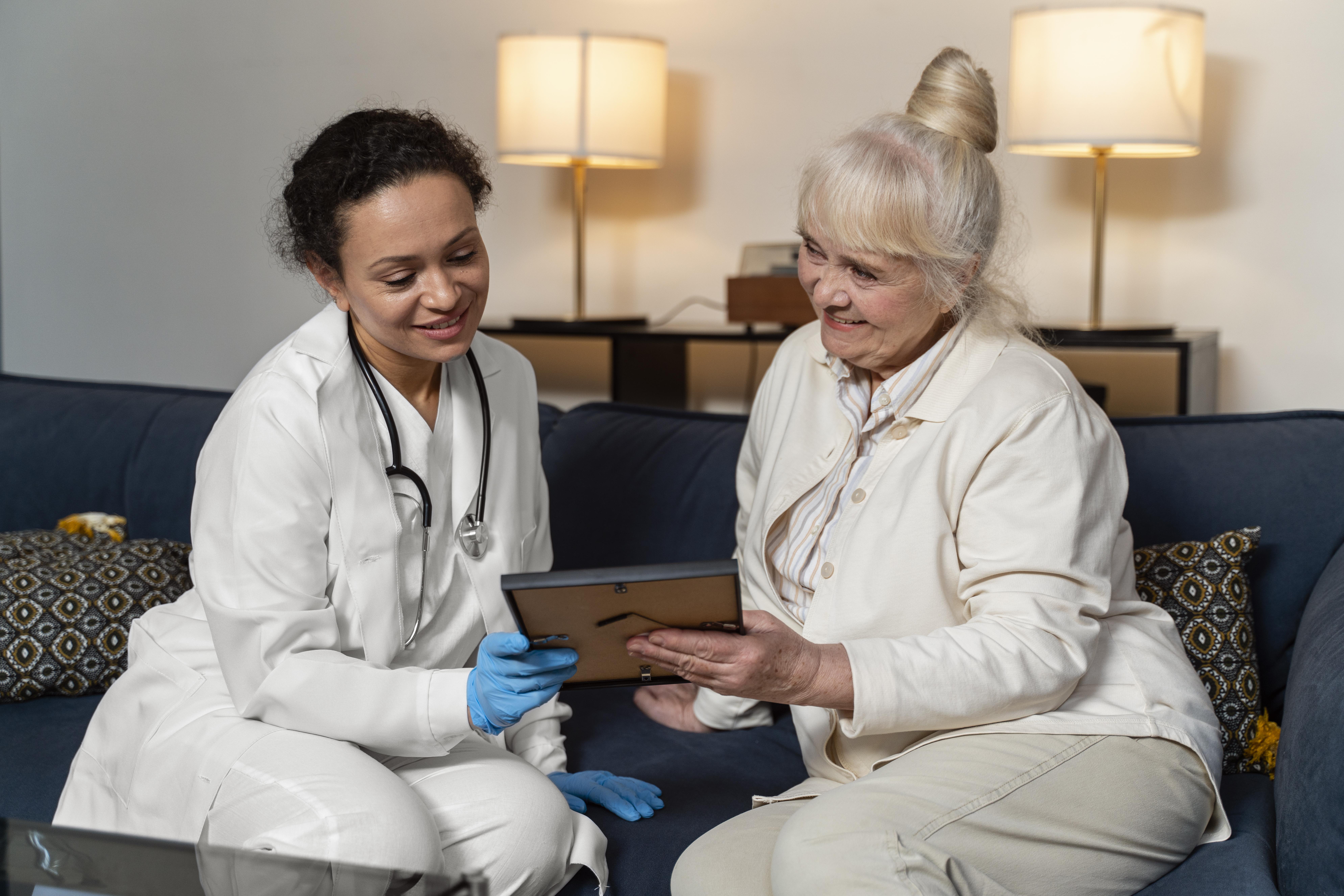
Caregiver Jobs Abroad with Visa Sponsorship: Your Complete 2026 Guide to High-Paying Opportunities
Meta Description: Discover how to find caregiver jobs abroad with visa sponsorship, learn the best countries hiring international caregivers, salary expectations, eligibility requirements, and application tips.
URL Slug: caregiver-jobs-abroad-visa-sponsorship
Caregiver Jobs Abroad with Visa Sponsorship: Your Complete 2026 Guide
Introduction
If you dream of working overseas while earning a competitive salary and building a meaningful career, caregiver jobs abroad may be the opportunity you’ve been searching for.
Across countries like Canada, the United Kingdom, Australia, Germany, the Netherlands, Sweden, and the United States, the demand for qualified caregivers continues to rise. According to the World Health Organization (WHO), populations around the world are aging rapidly, increasing the demand for healthcare professionals and caregivers to support older adults and vulnerable individuals. Learn more at https://www.who.int. Aging populations, shortages of healthcare workers, and expanding home care services have created thousands of employment opportunities for international applicants.
Even better, many employers are willing to sponsor work visas for suitable candidates, making relocation easier for experienced and compassionate caregivers.
However, competition is increasing, and many job seekers struggle to distinguish legitimate opportunities from scams. Others fail simply because they lack the right qualifications or submit poorly prepared applications. You might also like our in-depth guide on the highest-paying healthcare careers abroad, where we explore lucrative international opportunities, salary expectations, and career pathways. Read more here: https://opportunityorbithub.com/highest-paying-healthcare-careers/
This guide explains everything you need to know about caregiver jobs abroad with visa sponsorship—from eligibility requirements and salaries to the best countries to apply to and practical steps for landing your first international caregiving role.
Why Caregiver Jobs Abroad Are Growing So Fast
Healthcare systems around the world are experiencing unprecedented pressure.
People are living longer than ever before, increasing the need for elderly care, disability support, rehabilitation services, and home-based assistance.
Several trends are fueling demand:
- Aging populations
- Increased life expectancy
- Rising cases of dementia and chronic diseases
- Shortage of domestic healthcare workers
- Government investment in aged care
- Growing preference for home healthcare
According to the International Labour Organization (ILO), many countries continue to face workforce shortages in healthcare and long-term care services, creating increased opportunities for qualified caregivers seeking employment abroad. Learn more at https://www.ilo.org.
These factors have encouraged employers to recruit internationally, opening doors for skilled caregivers from around the world.
The growing demand for caregivers is part of a larger global shortage of healthcare professionals. Learn more about international opportunities in our detailed guide on healthcare workers abroad: https://opportunityorbithub.com/best-healthcare-workers-abroad-programs-2026/
Benefits of Working as a Caregiver Abroad
Working abroad offers much more than a monthly paycheck.
Better Income
Depending on the country and employer, caregivers often receive:
- Competitive salaries
- Overtime pay
- Paid annual leave
- Pension contributions
- Health insurance
- Paid training opportunities
Some live-in positions also include accommodation and meals, reducing living expenses.
International Experience
Experience gained in developed healthcare systems strengthens your resume and can lead to future opportunities in nursing, disability support, aged care management, or community health. If you’re looking to advance your healthcare career even further, exploring public health scholarships can help you gain additional qualifications and improve your long-term career prospects. Check out our guide on public health scholarships for international students worldwide: https://opportunityorbithub.com/public-health-scholarships-international-students-/
Immigration Pathways
In several countries, long-term employment may contribute toward eligibility for permanent residence or other long-term immigration options, subject to government requirements.
Best Countries Offering Caregiver Jobs Abroad
Choosing the right destination depends on your qualifications, language skills, career goals, and preferred lifestyle.
| Country | Demand | Salary Potential | Visa Sponsorship |
|---|---|---|---|
| Canada | Very High | Excellent | Common |
| United Kingdom | Very High | Good | Common |
| Australia | High | Excellent | Available |
| United States | High | Good | Employer dependent |
| Germany | High | Competitive | Growing |
| Netherlands | Moderate | Competitive | Available |
| Sweden | High | Competitive | Available |
Although salaries differ between employers and regions, healthcare professionals remain among the most sought-after workers internationally.
The United Kingdom continues to experience strong demand for caregivers, support workers, and healthcare assistants. For more information about healthcare careers and opportunities within the UK healthcare system, visit the NHS Health Careers website: https://www.healthcareers.nhs.uk.
Australia remains one of the top destinations for international caregivers due to its strong healthcare system, competitive salaries, and growing demand for aged care workers. If you’re interested in working in Australia, the Australian Government Department of Home Affairs provides official information about work visas, skilled migration pathways, and immigration requirements at https://immi.homeaffairs.gov.au.
If you’re interested in caregiver opportunities across Europe, the EURES (European Employment Services) portal is an excellent resource for finding jobs, learning about living and working conditions, and connecting with employers in multiple European countries. Explore opportunities at https://eures.europa.eu.
What Does a Caregiver Actually Do?
A caregiver provides physical, emotional, and practical support to individuals who cannot fully care for themselves.
Typical responsibilities include:
- Assisting with bathing and dressing
- Preparing healthy meals
- Providing companionship
- Helping with mobility
- Monitoring health conditions
- Medication reminders
- Light housekeeping
- Accompanying clients to appointments
Some caregivers work in private homes, while others are employed in nursing homes, assisted living facilities, rehabilitation centers, or community healthcare organizations.
Qualifications Needed for Caregiver Jobs Abroad
Requirements vary, but employers generally prefer candidates who possess a combination of education, experience, and interpersonal skills.
Education
Helpful qualifications include:
- High school certificate
- Caregiver certification
- Nursing assistant qualification
- Healthcare assistant diploma
- First aid and CPR certification
Additional training often increases employability and salary potential.
For those looking to advance beyond caregiving, becoming a registered nurse can significantly expand your career opportunities and earning potential. Read our complete guide on how to become a registered nurse abroad: https://opportunityorbithub.com/become-a-registered-nurse-guide/
Experience
Experience caring for:
- Elderly individuals
- Disabled persons
- Hospital patients
- Dementia patients
- Home care clients
can significantly improve your application.
Volunteer work may also demonstrate practical caregiving skills.
Language Skills
Communication is essential in caregiving.
Many employers expect caregivers to communicate effectively with patients, families, and healthcare teams.
Strong English skills are particularly valuable in Canada, Australia, the UK, and the United States.
Salary Expectations
While salaries vary based on qualifications and employer, caregivers working abroad generally enjoy better earning potential than in many developing countries.
| Country | Estimated Annual Salary |
|---|---|
| Canada | CAD 38,000–60,000 |
| United Kingdom | £22,000–35,000 |
| Australia | AUD 55,000–75,000 |
| Germany | €30,000–45,000 |
| Netherlands | €28,000–42,000 |
| Sweden | SEK 320,000–450,000 |
| United States | $32,000–50,000 |
Salary levels can vary significantly depending on the country, employer, qualifications, and years of experience. For additional labor market and wage information, readers can explore data published by the U.S. Bureau of Labor Statistics at https://www.bls.gov.
Night shifts, overtime, specialized care, and years of experience can further increase earnings.
How to Increase Your Chances of Getting Hired
Many qualified applicants lose opportunities because they underestimate the importance of preparation.
Follow these practical steps:
Build a Professional Resume
Highlight:
- Relevant work experience
- Caregiver certifications
- Language skills
- Soft skills
- Volunteer work
- References
Customize your resume for every application instead of using one generic version.
Earn Additional Certifications
Short courses in the following areas can make you more competitive:
- CPR
- First Aid
- Dementia Care
- Infection Prevention
- Elderly Care
- Patient Safety
Continuous learning demonstrates professionalism and commitment.
Gather Strong References
Employers value recommendation letters from previous supervisors who can confirm your reliability, compassion, and work ethic.
Prepare for Interviews
Practice answering questions about difficult situations, patient safety, teamwork, communication, and ethical decision-making using real examples from your experience.
Understanding Visa Sponsorship for Caregiver Jobs Abroad
One of the biggest questions international job seekers ask is, “What does visa sponsorship actually mean?”
Visa sponsorship simply means that an employer is willing to hire a qualified foreign worker and support the legal process required for that person to obtain a work permit or employment visa. In many cases, the employer provides an official job offer and the documents needed for immigration authorities to process the application.
However, sponsorship does not always mean the employer pays every cost associated with relocation. Some employers cover visa fees, flights, or temporary accommodation, while others expect the employee to pay certain expenses. Before applying for any visa-sponsored position, it is important to review official immigration requirements for your preferred destination. Those considering Australia can find accurate information on work visas, skilled migration pathways, and employer-sponsored programs through the Australian Government Department of Home Affairs at https://immi.homeaffairs.gov.au. Always read your employment contract carefully before accepting an offer.
Step-by-Step Guide to Applying for Caregiver Jobs Abroad
Finding a caregiver job abroad with visa sponsorship requires patience and preparation. Following a structured process can improve your chances of success.
Step 1: Research the Country
Before applying, understand:
- Employment laws
- Salary expectations
- Cost of living
- Healthcare system
- Immigration requirements
- Workplace culture
You may also want to explore our guide to the highest-paying healthcare careers abroad to compare career paths, salary expectations, and international opportunities before making your decision: https://opportunityorbithub.com/highest-paying-healthcare-careers-/
Having realistic expectations will help you choose the destination that best suits your goals.
Step 2: Prepare Your Documents
Keep digital and printed copies of the following:
- Valid passport
- Professional CV or resume
- Cover letter
- Educational certificates
- Caregiver training certificates
- Employment references
- Police clearance certificate
- Medical fitness report
- Passport photographs
If you’re planning to further your healthcare education, explore our guide on public health scholarships for international students worldwide to discover funding opportunities that can help advance your career: https://opportunityorbithub.com/public-health-scholarships-international-students/
Organizing your documents in advance makes the application process much smoother.
Step 3: Apply Through Trusted Employers
Avoid relying solely on social media advertisements or unverified recruitment agents. Focus on licensed healthcare providers, recognized care agencies, and official government-supported recruitment programs.
Take time to research every employer before submitting your application.
Before submitting applications or accepting employment offers, always verify that the employer and recruitment process are legitimate. Avoid organizations that promise guaranteed visas or request large upfront payments. It is also wise to review official immigration information from government sources rather than relying solely on third-party advice. For example, Immigration, Refugees and Citizenship Canada (IRCC) provides up-to-date guidance on work permits, foreign worker programs, and immigration pathways at https://www.canada.ca/en/services/immigration-citizenship.html.
Step 4: Attend Interviews
During interviews, employers often assess not only your technical knowledge but also your personality and communication skills.
Be prepared to discuss:
- Your caregiving experience
- How you handle emergencies
- Your approach to difficult patients
- Teamwork and conflict resolution
- Why do you want to work abroad
Employers value compassion, honesty, and professionalism.
Common Types of Caregiver Jobs Abroad
International caregivers work in a variety of settings.
Elderly Caregiver
Supports older adults with personal care, mobility, medication reminders, and companionship.
Live-in Caregiver
Lives in the client’s home and provides ongoing assistance. These positions often include accommodation and meals.
Disability Support Worker
Assists individuals with physical or intellectual disabilities in maintaining independence and participating in daily activities.
Home Care Assistant
Visits clients in their own homes to provide personal care, meal preparation, housekeeping, and emotional support.
Residential Care Worker
Works in nursing homes or assisted living facilities as part of a professional healthcare team.
Each role offers unique responsibilities and career development opportunities.
Common Challenges of Working Abroad
Relocating to another country is exciting, but it also comes with challenges.
Some caregivers experience:
- Homesickness
- Cultural differences
- Language barriers
- Long shifts
- Emotional stress
- Adapting to new healthcare systems
Fortunately, many employers provide orientation programs and ongoing support to help international staff adjust successfully.
Building friendships, learning about local culture, and maintaining regular contact with family can make the transition much easier.
Mistakes to Avoid
Many applicants unknowingly reduce their chances of success by making avoidable mistakes.
Do not:
- Submit the same resume to every employer.
- Apply without researching visa requirements.
- Exaggerate your qualifications or experience.
- Ignore language requirements.
- Pay money to unverified recruiters promising guaranteed jobs.
- Accept job offers without reading the employment contract.
Taking a careful and informed approach can protect both your finances and your future career.
Tips for Long-Term Career Success
Landing a job is only the beginning. Building a successful international caregiving career requires continuous improvement.
Here are a few practical tips:
- Continue taking professional development courses.
- Maintain a positive attitude and strong work ethic.
- Communicate clearly with clients and colleagues.
- Respect cultural differences.
- Stay updated on healthcare best practices.
- Build strong relationships with supervisors and team members.
Many caregivers eventually advance into supervisory positions, nursing programs, or healthcare management roles after gaining valuable experience.
Frequently Asked Questions
Can I get a caregiver job abroad without experience?
Some employers hire entry-level candidates, especially those with caregiver training or volunteer experience. However, previous work experience generally improves your chances of receiving visa sponsorship.
Is a university degree required?
No. Many caregiving positions require vocational training or certification rather than a university degree. Employers often value practical skills and compassion more than academic qualifications.
Can caregiver jobs lead to permanent residency?
In some countries, long-term legal employment may create opportunities to apply for permanent residency, provided applicants meet immigration requirements at the time of application.
Are live-in caregiver jobs better?
Live-in positions can reduce living expenses because accommodation and meals are often included. However, applicants should review working hours and responsibilities carefully before accepting such roles.
Conclusion
Caregiver jobs abroad with visa sponsorship offer more than just employment—they provide an opportunity to build a stable future while making a meaningful difference in people’s lives.
With aging populations increasing the demand for healthcare workers worldwide, qualified caregivers remain highly valued across many developed countries. If you’re interested in exploring broader international healthcare opportunities beyond caregiving, our healthcare workers abroad guide highlights some of the most in-demand healthcare professions, destination countries, and visa sponsorship opportunities available today: https://opportunityorbithub.com/healthcare-workers-abroad-programs-2026/ Whether your goal is financial stability, international work experience, or long-term career growth, investing in caregiving skills can open doors to exciting opportunities. For readers interested in comparing caregiving with other healthcare career paths, our guide on the highest-paying healthcare careers abroad explores salary expectations, job prospects, and advancement opportunities across the global healthcare sector: https://opportunityorbithub.com/highest-paying-healthcare-careers/
Success depends on preparation. Strengthen your qualifications, create a professional resume, research employers carefully, and apply only through legitimate channels. Persistence and continuous learning can set you apart from other candidates and help you secure a rewarding position abroad.
Final Thought
A caregiver’s greatest qualification is not found on a certificate—it’s found in the ability to treat another human being with dignity, patience, and compassion.
Technology may transform healthcare in the years ahead, but empathy and genuine human connection will always remain essential. Those who choose this profession are not simply filling vacancies; they are improving lives every single day.
If you are willing to develop your skills, embrace new cultures, and serve others with integrity, caregiver jobs abroad can become the foundation for a fulfilling international career and a brighter future for you and your family.