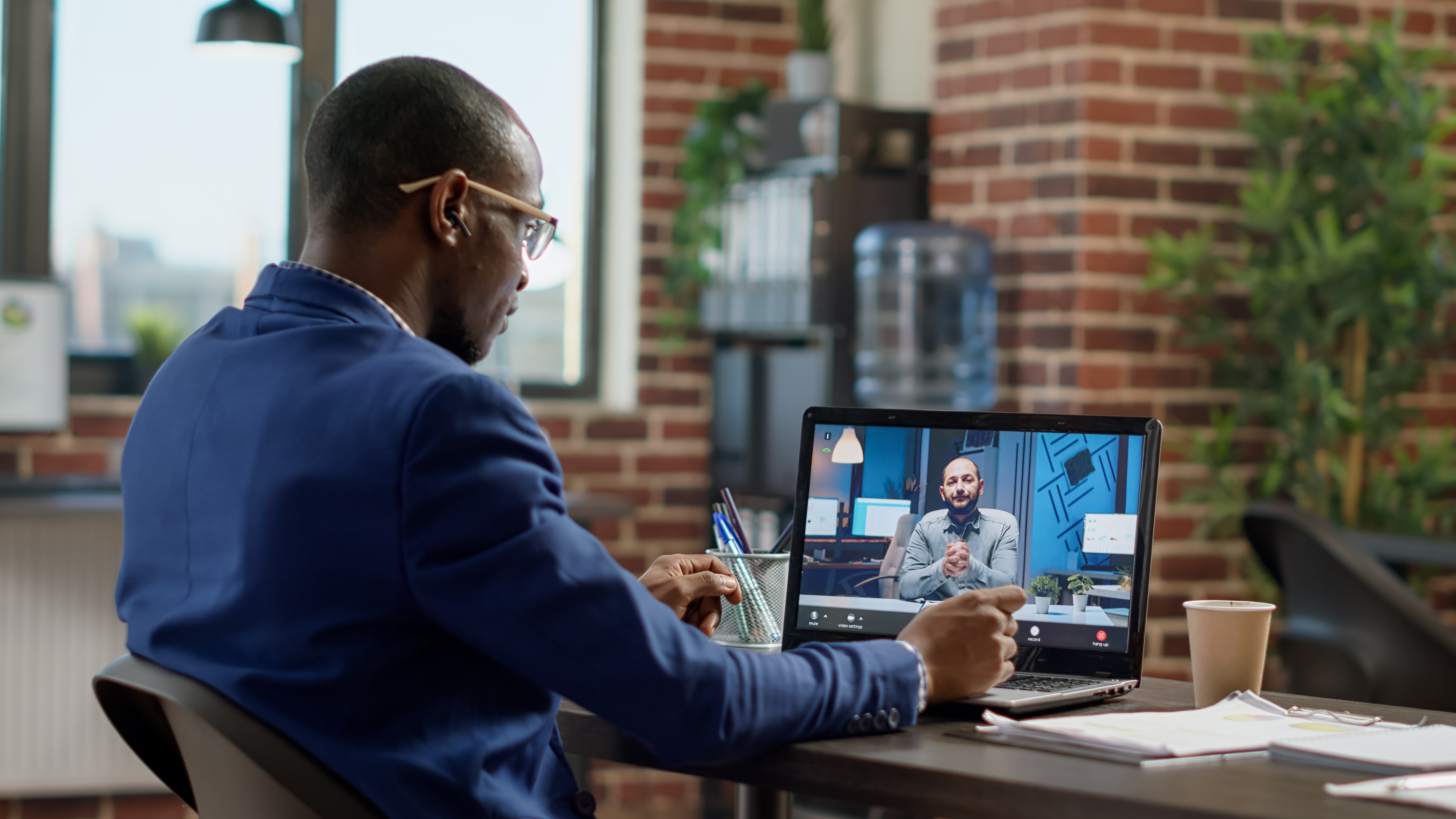
The Ultimate Guide to Virtual Job Interviews: How to Prepare and Impress Recruiters
Meta Description: Learn how to succeed in Virtual Job Interviews with expert preparation tips, common mistakes to avoid, and proven strategies to impress recruiters and land your dream job.
URL Slug: master-virtual-job-interviews
The Ultimate Guide to Virtual Job Interviews: How to Prepare and Impress Recruiters
Virtual Job Interviews have become the new standard for hiring across the USA, Canada, the UK, Australia, Germany, the Netherlands, Sweden, and many other countries. Whether you’re applying for a healthcare role, remote position, internship, or corporate job, chances are your first interview will happen through a screen instead of across a desk.
While virtual interviews eliminate travel time and allow employers to connect with talent worldwide, they also introduce unique challenges. A weak internet connection, poor lighting, distracting background noise, or lack of preparation can quickly ruin an otherwise excellent interview.
The good news is that succeeding in Virtual Job Interviews isn’t about having expensive equipment or being naturally charismatic. Instead, it’s about preparation, confidence, communication, and understanding what recruiters are looking for.
In this comprehensive guide, you’ll learn exactly how to prepare before the interview, what to do during the interview, common mistakes to avoid, and proven techniques that help candidates stand out from the competition.
If you’re serious about landing your next opportunity, this guide will help you walk into every virtual interview fully prepared.
Why Virtual Job Interviews Are Becoming the Hiring Standard
The rise of remote work, international recruitment, and digital communication has transformed hiring processes worldwide.
Many organizations now conduct:
- Initial screening interviews
- Panel interviews
- Final interviews
- Technical assessments
- Graduate recruitment interviews
entirely online.
According to research published by LinkedIn:
https://www.linkedin.com/business/talent/blog
many employers continue using virtual interviews because they save time, reduce hiring costs, and allow access to a wider talent pool.
Similarly, Indeed’s Career Guide notes that online interviews have become a normal part of recruitment for many industries.
https://www.indeed.com/career-advice
This means job seekers must master Virtual Job Interviews just as seriously as traditional face-to-face interviews.
How Recruiters Evaluate Candidates During Virtual Job Interviews
Many applicants think recruiters only listen to their answers.
In reality, recruiters evaluate much more.
They Observe Your Professionalism
Recruiters notice:
- Your punctuality
- Camera positioning
- Eye contact
- Background
- Dress code
- Confidence
- Communication style
Every small detail contributes to their overall impression.
They Assess Communication Skills
Because remote work relies heavily on communication, interviewers pay close attention to how well you:
- Explain ideas
- Listen carefully
- Answer questions clearly
- Maintain conversation flow
- Handle unexpected questions
They Evaluate Technical Readiness
Technical competence matters.
Recruiters expect candidates to:
- Join meetings smoothly
- Use microphones correctly
- Share screens if required.
- Solve simple technical issues independently.
Virtual Job Interviews vs Traditional Interviews
| Feature | Virtual Job Interviews | Traditional Interviews |
|---|---|---|
| Travel Required | No | Yes |
| Hiring Speed | Faster | Usually slower |
| Geographic Limit | Global | Often local |
| Technology Needed | High | Minimal |
| Risk of Technical Issues | High | Very low |
| Body Language Visibility | Limited | Full visibility |
| Convenience | Excellent | Moderate |
| First Impression | Digital setup matters | Physical presence matters |
How to Prepare for Virtual Job Interviews Before Interview Day
Preparation begins long before clicking the meeting link.
Research the Company Thoroughly
Never attend an interview without researching the employer.
Understand:
- Company mission
- Core values
- Products or services
- Recent achievements
- Company culture
- Leadership team
Useful resources include:
and the employer’s official website.
Understanding the organization allows you to tailor your answers effectively.
Review the Job Description Carefully
Highlight:
- Required skills
- Daily responsibilities
- Technical requirements
- Preferred qualifications
Think about examples from your experience that demonstrate each skill.
Practice Common Interview Questions
Practice answering questions like:
- Tell me about yourself.
- Why do you want this role?
- What are your strengths?
- What is your biggest weakness?
- Why should we hire you?
- Describe a challenge you solved.
- Tell us about a conflict at work.
- Where do you see yourself in five years?
Record yourself answering.
Watching the recording often reveals habits you never noticed.
Prepare STAR Method Examples
Many recruiters use behavioral interviewing.
The STAR Method helps structure answers.
- Situation
- Task
- Action
- Result
Instead of giving vague responses, provide real stories demonstrating your abilities.
Example:
Situation:
Your department experienced staff shortages.
Task:
You needed to maintain patient service quality.
Action:
You reorganized workflows and coordinated priorities.
Result:
Patient waiting times decreased despite reduced staffing.
Concrete examples make stronger impressions.
Create the Perfect Interview Environment
Your surroundings communicate professionalism.
Choose a Quiet Room
Avoid areas with:
- Television noise
- Children playing
- Pets
- Traffic sounds
- Loud conversations
Silence your phone completely.
Improve Your Lighting
Natural light works best.
If unavailable:
- Place a lamp behind your camera.
- Avoid bright windows behind you.
- Keep your face clearly visible.
Poor lighting makes candidates appear tired or distracted.
Select a Professional Background
Ideal backgrounds include:
- Plain wall
- Bookshelf
- Home office
- Clean workspace
Avoid:
- Messy bedrooms
- Laundry
- Busy decorations
- Distracting posters
If using a virtual background, ensure it looks realistic.
Position Your Camera Correctly
Your webcam should be:
- Eye level
- Stable
- Centered
Avoid looking down into the camera.
Eye-level positioning creates better eye contact.
Test Your Technology Before Virtual Job Interviews
Technical problems create unnecessary stress.
At least one day before your interview, test:
- Internet speed
- Webcam
- Microphone
- Headphones
- Laptop battery
- Charging cable
- Meeting software
Popular platforms include:
- Zoom
- Microsoft Teams
- Google Meet
- Cisco Webex
Each platform allows test meetings.
For example:
Lets users verify audio and video before interviews.
Dress Professionally for Virtual Job Interviews
Many applicants assume only the upper body matters.
This is risky.
Dress exactly as you would for an in-person interview.
Professional clothing helps:
- Increase confidence
- Create a positive impression.
- Reduce awkward situations if you need to stand
Choose solid colors rather than distracting patterns.
Essential Documents to Keep Nearby
Have these ready:
- Resume
- Cover letter
- Portfolio
- Job description
- Notebook
- Pen
- Questions for interviewer
- Water
Avoid shuffling papers during the interview.
Organize everything neatly beforehand.
Body Language Tips That Impress Recruiters
Even online, body language matters enormously.
Maintain Eye Contact
Look at the webcam—not your own image.
This simulates direct eye contact.
Sit With Good Posture
Avoid:
- Leaning back
- Slouching
- Resting your head on your hand
Good posture projects confidence.
Smile Naturally
A genuine smile makes candidates appear:
- Friendly
- Confident
- Approachable
Don’t force it.
Use Hand Gestures Moderately
Natural gestures enhance communication.
Excessive movement can become distracting on camera.
Communication Strategies That Help You Stand Out
Speak clearly.
Pause briefly after questions.
Avoid interrupting interviewers.
If audio cuts out, politely ask them to repeat the question.
Good communication includes:
- Active listening
- Concise answers
- Confidence
- Positive language
Avoid filler words like:
- Um
- Like
- You know
- Basically
Practicing aloud helps reduce these habits.
Common Virtual Job Interview Questions and How to Answer Them
“Tell Me About Yourself”
Keep your answer structured:
- Present role
- Relevant experience
- Key achievements
- Why you’re interested
Avoid discussing unrelated personal history.
“Why Do You Want This Position?”
Connect your skills with the company’s goals.
Demonstrate genuine interest rather than focusing only on salary.
“What Is Your Greatest Strength?”
Choose strengths supported by evidence.
Examples include:
- Problem-solving
- Communication
- Leadership
- Adaptability
- Time management
Always provide examples.
“Describe a Difficult Situation”
Use the STAR Method.
Focus on your actions rather than blaming others.
Questions You Should Ask Recruiters
Interviews are two-way conversations.
Ask thoughtful questions such as:
- What does success look like in this role?
- What challenges will the successful candidate face?
- How is performance measured?
- What opportunities exist for professional development?
- Can you describe the team culture?
Avoid asking about salary during early screening interviews unless the recruiter raises the topic.
Common Mistakes That Hurt Candidates During Virtual Job Interviews
Many qualified candidates lose opportunities because of preventable mistakes.
These include:
- Joining late
- Poor internet connection
- Looking at the screen instead of the camera
- Reading prepared answers word-for-word
- Talking too much
- Interrupting interviewers
- Multitasking
- Checking your phone
- Poor lighting
- Distracting background
- Inappropriate clothing
- Lack of company research
Small mistakes often combine to create a negative overall impression.
How to Handle Technical Problems Calmly
Technical issues happen—even to experienced professionals.
If something goes wrong:
- Stay calm.
- Inform the interviewer immediately.
- Rejoin the meeting promptly.
- Have a backup device available.
- Keep your phone nearby in case the recruiter needs to contact you.
Remaining composed under pressure actually demonstrates professionalism.
Virtual Interview Tips for Remote Healthcare Jobs
Healthcare employers increasingly conduct first-round interviews online before inviting candidates for practical assessments.
If you’re applying for healthcare positions, be ready to discuss:
- Patient communication
- Confidentiality
- Teamwork
- Clinical judgment
- Time management
- Ethical decision-making
If you’re pursuing healthcare opportunities, you may also find these guides useful:
- https://opportunityorbithub.com/first-healthcare-job-guide/
- https://opportunityorbithub.com/non-medical-hospital-jobs/
- https://opportunityorbithub.com/highest-paying-health-careers/
- https://opportunityorbithub.com/healthcare-jobs-abroad-top-countries/
- https://opportunityorbithub.com/best-online-health-certifications/
- https://opportunityorbithub.com/successful-mental-health-career-guide/
These resources can help strengthen both your interview preparation and your overall career strategy.
Follow Up After Virtual Job Interviews
Many applicants forget this important step.
Within 24 hours:
- Send a professional thank-you email.
- Express appreciation.
- Mention something specific from the conversation.
- Reaffirm your interest.
A thoughtful follow-up reinforces professionalism and keeps you fresh in the recruiter’s mind.
A Simple Virtual Interview Preparation Checklist
Before your interview, confirm that you have:
- Researched the company.
- Reviewed the job description.
- Practiced common questions.
- Prepared STAR examples.
- Tested your internet and equipment.
- Chosen professional attire.
- Organized your documents.
- Prepared thoughtful questions.
- Selected a quiet, clean environment.
- Logged in 10–15 minutes early.
Completing this checklist can significantly reduce stress and boost your confidence.
Conclusion
Virtual Job Interviews are no longer a temporary trend—they are a permanent part of modern recruitment. Employers across the world rely on them to identify skilled, adaptable, and professional candidates, making your ability to interview effectively online just as important as your qualifications and experience.
Success doesn’t depend on having the most expensive webcam or the fastest computer. It comes from thoughtful preparation, clear communication, genuine confidence, and the ability to present yourself professionally in a digital environment. From researching the company and practicing common questions to testing your technology and following up with a thank-you email, every step contributes to creating a lasting positive impression.
Remember that every interview, whether successful or not, is also an opportunity to improve. The more you practice Virtual Job Interviews, the more comfortable, confident, and authentic you’ll become. Recruiters appreciate candidates who are prepared, engaged, and eager to learn—and those qualities often make the difference between receiving a rejection email and an exciting job offer.
Final Thought
A virtual interview may take place through a screen, but the decision behind it is deeply human. Recruiters are not simply looking for perfect answers; they are looking for people they can trust, collaborate with, and envision as part of their team. Your preparation, attitude, curiosity, and professionalism speak just as loudly as your qualifications.
Approach every Virtual Job Interview as a meaningful conversation rather than an interrogation. Show your personality, communicate your value with confidence, and remember that each interview strengthens your skills for the next opportunity. Even if one role doesn’t work out, the experience you gain brings you one step closer to the position that’s truly the right fit. Persistence, preparation, and authenticity remain the most powerful tools you can bring to any interview.